
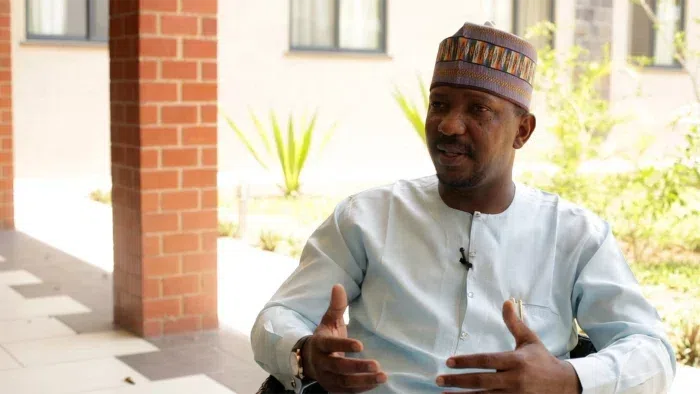
Nigeria has a strong history of producing world-class athletes, but according to Shehu Dikko, Chairman of the National Sports Commission (NSC), the country is significantly behind in creating comparable international pathways for the professionals who support these athletes. While millions of Nigerians dream of football stardom, Dikko questions why Nigerian doctors, physiotherapists, sports scientists, and analysts aren't as visible in top global clubs as their Japanese counterparts, for example.
The Gap in Professional Development
Despite Nigeria's early successes, like winning the FIFA U-16 World Championship in 1985, the country hasn't established a strong international career path for sports professionals. This contrasts with countries like Japan, which has developed its sports science and medicine sectors over time. Similarly, South Africa's Dr. Tanushree Pillay, a physiotherapist who progressed through strong domestic rugby structures to work with the Springboks and Paris Saint-Germain, exemplifies how African talent can reach global institutions if a credible domestic foundation exists.
Fragmented Local Structures
While Nigeria does have experienced sports medicine professionals, emerging rehabilitation centres, and university research in the field (like the Institute of Sports Science and Medicine at the University of Medical Sciences in Ondo, established in 2024), these efforts remain largely disconnected. For aspiring young professionals in biomechanics, exercise physiology, sports psychology, nutrition, performance analysis, or strength and conditioning, the lack of a clear, interconnected national career system makes it difficult to choose sports specialization over other fields offering better employment and financial security.
Building a Connected Sports Economy
The path forward involves integrating professional development into existing sports structures.
Club Licensing and Support
Dikko suggests that licensing requirements for leading professional clubs should include qualified medical, physiotherapy, and performance personnel. Shared regional arrangements for services like nutrition, psychology, and performance analysis could also be implemented where full departments are unaffordable. This would not only improve player performance and availability but also boost revenue for clubs.
Expanding Beyond Football
This principle should extend to all competitive sports, including athletics, basketball, boxing, wrestling, and more. Federations should maintain consistent teams of professionals working with elite athletes and development programs, rather than assembling them only before major competitions. Academies also need to incorporate medical screening, injury prevention, nutrition, and rehabilitation alongside coaching.
University and State Government Roles
Universities, which already teach relevant disciplines, can become hubs for practical performance centres. These centres would allow students to learn, academics to conduct research, and athletes to receive specialist services, bridging the gap between theory and practice. State governments can also leverage existing spending on stadiums and competitions to build permanent medical and performance teams, as demonstrated by initiatives in states like Lagos and Ogun.
Federal System and Professional Bodies
The federal sports system and professional bodies like NASMED and the Nigeria Society of Physiotherapy have crucial roles. They must move beyond conferences and elections to actively create training, mentorship, certification, and employment opportunities. International affiliations should translate into realistic openings for qualified members. Collaboration across disciplines is key, as modern athlete care requires a multidisciplinary approach.
Actionable Pathways and Future Focus
The next decade should focus on connecting existing Nigerian resources. This includes agreeing on clear minimum standards for sports support professions, maintaining a national database of qualified practitioners, and providing supervised opportunities for younger professionals within national teams, clubs, and federations. Scholarships and certification should target areas like rehabilitation, biomechanics, and performance analytics, with practical positions available for newly trained specialists.
Success should be measured by tangible outcomes: the number of specialists trained and employed, the qualifications obtained, and the international experience gained. Countries like Qatar and Singapore have already demonstrated the economic benefits of investing in sports medicine, research, and professional education alongside athlete development. Nigeria, with its large population and sporting history, has the potential to achieve significant economic and sporting gains by creating a more cohesive and developed professional sports ecosystem. As Dr. Babatunde Akinbinu notes,