
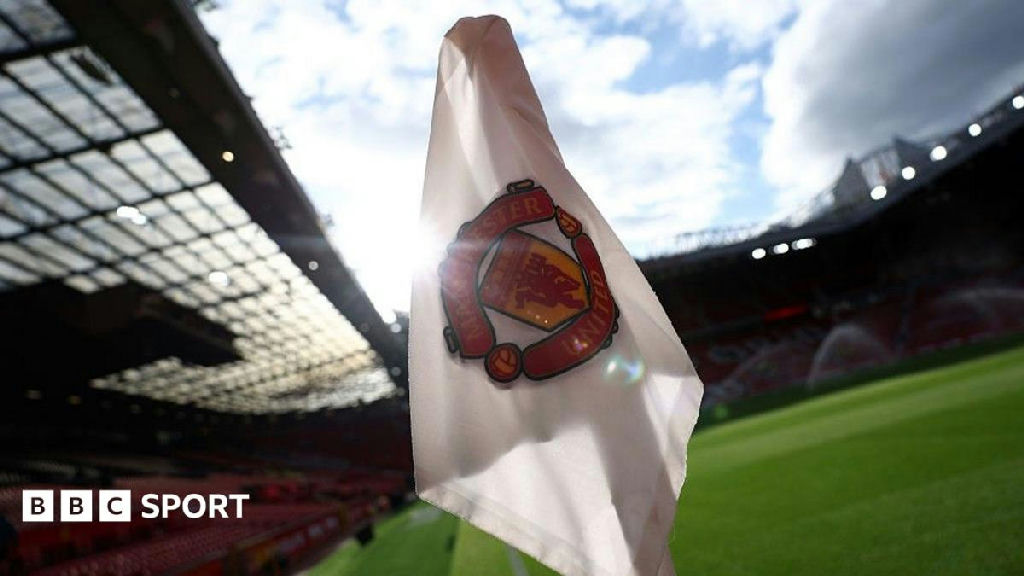
Manchester United debt remains above £1bn despite record revenues
Manchester United’s total debt continues to exceed £1 billion, even as the club implements significant cost-cutting measures under the leadership of Sir Jim Ratcliffe. Despite achieving record revenues of £677.6 million, the club’s financial landscape remains complicated by rising interest costs and substantial capital allocation toward future infrastructure projects.
Financial performance and operational shifts
The club reported an operating profit of £22.6 million for the year, marking a notable turnaround from the £113.2 million loss recorded in the 2023-24 period. This financial shift occurred despite the team’s absence from European competition for the first time in a decade. Chief executive Omar Berrada highlighted the results as evidence of the business's underlying strength and the efficacy of recent strategic initiatives.
However, the club’s net finance costs surged by 228.3% to £69.6 million, a spike largely attributed to foreign exchange losses. Football finance expert Kieran Maguire noted that total interest payments have now surpassed £1 billion since the leveraged buyout by the Glazer family in 2005.
Stadium development and debt structure
A significant portion of the club's current financial activity is tied to the proposed regeneration of Old Trafford. Manchester United confirmed it has spent £63.5 million on land acquisition for a new stadium, which is expected to cost upwards of £2 billion. This expenditure was funded through a summer refinancing move that added $125 million (£94.14 million) to the club's historic debt.
The total debt figure is comprised of several distinct elements:
- Historic debt totaling £577.6 million.
- Outstanding balances on the revolving credit facility of £111.4 million.
- Significant outstanding transfer fees, which account for approximately 75% of the £473 million listed as trade and other payables.
Cost-cutting and squad investment
The club has pursued aggressive austerity measures to improve sustainability, including two rounds of redundancies that resulted in 450 job losses. Salary costs have subsequently decreased by £11.3 million to £302 million. Despite these savings, the club has faced intense criticism from supporters regarding the level of investment in the men’s first-team squad.
During the summer transfer window, United spent £148 million on three new signings—Carlos Baleba, Andrey Santos, and Youri Tielemans. This investment was significantly lower than the £458 million spent by Manchester City and trailed the spending of newly promoted Ipswich. Fans have expressed frustration over perceived gaps in the squad, particularly the lack of depth at left-back and support for striker Benjamin Sesko.
For further insights into the club's financial trajectory, you can follow updates via the BBC Sport Manchester United page.