
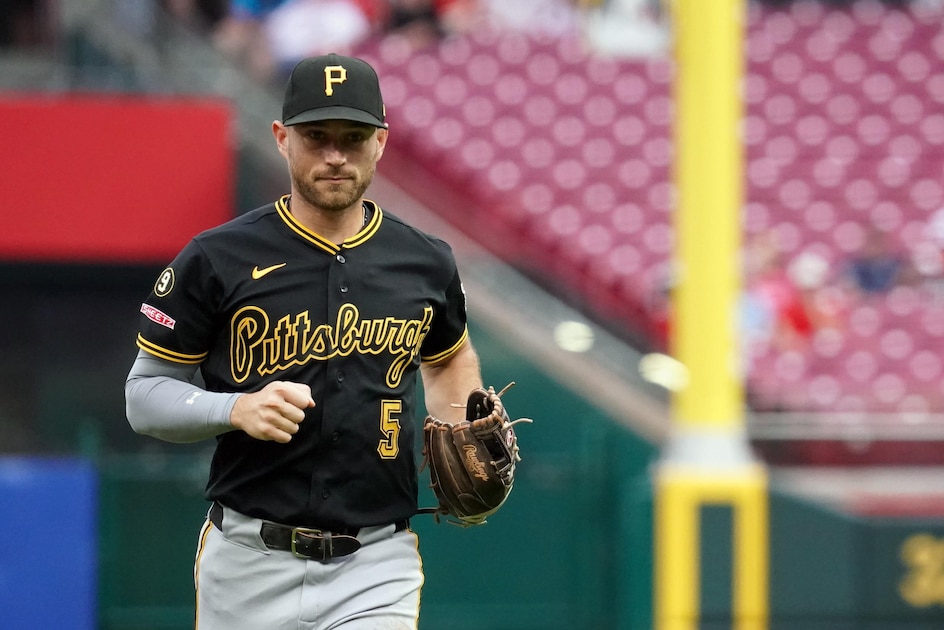
Navigating the MLB free agent market requires caution as eight potential busts set off major red flags for teams.
Major League Baseball teams face a difficult dilemma during the winter market as they try to spend before an anticipated lockout. While general managers look to upgrade their rosters, several players carry significant risks that could severely backfire on long-term investments. Understanding these underlying metrics is essential for front offices evaluating this year's available talent pool.
Analysts have identified eight specific free agents who present alarming statistical indicators, ranging from declining velocity to concerning platoon splits. These players might have experienced recent success with their previous clubs, but underlying performance metrics suggest their production could sharply decline in a new environment, according to information published by bleache.
As clubs weigh heavy financial commitments, evaluating advanced statistics like Fielding Run Value, strikeout rates, and pitch tracking data becomes crucial. Examining these individual profiles reveals why certain high-profile players could ultimately become costly liabilities rather than roster saviors.
Ryan Jeffers Defensive and Fastball Concerns
Minnesota Twins catcher Ryan Jeffers enters the market as a rare right-handed hitting backstop, but defensive metrics reveal major vulnerabilities. His Fielding Run Value over the last four seasons sits at -24, placing him near the bottom of qualified catchers, and he especially struggles to control the running game.
Offensively, Jeffers posted a -10 Run Value against four-seam fastballs, representing one of the worst marks in the league. Even before suffering a broken hamate bone in May, he struggled against velocity, hitting just .229 with a single home run against four-seamers, creating a weakness opposing pitchers will likely exploit.
David Bednar Velocity Drop and Splitter Reliance
New York Yankees reliever David Bednar has been an All-Star-caliber closer, but a 0.9 mph drop in his average fastball velocity raises eyebrows. His Stuff+ score dipped from 108 to 103, forcing him to double the usage of his splitter to compensate for the lost fastball life.
While his splitter generated a chase rate in the 99th percentile, Bednar found the strike zone with just 46.0 percent of his pitches this year. Hitters may quickly adopt a take-heavy approach, transforming his impressive statistics into a foundation built upon unstable ground if opponents adjust.
Ian Happ Platoon Splits and Strikeout Increases
Chicago Cubs outfielder Ian Happ offers consistent power and a strong throwing arm, though his defensive value requires proper context. He has recorded -4 Outs Above Average as a left fielder since 2017, relying primarily on his arm strength rather than pure range to accumulate outfield assists.
Happ also exhibited alarming offensive volatility, producing a meager .484 OPS from the right side of the plate compared to an .816 mark from the left. Furthermore, his strikeout rate surged by 6.9 percentage points, highlighting persistent struggles against four-seam fastballs that have persisted over multiple seasons.
Jazz Chisholm Jr. Slugging and Bat Speed Decline
New York Yankees utility star Jazz Chisholm Jr. has experienced a roller coaster career, topping 4 rWAR just once in seven professional seasons. His 2026 campaign highlighted ongoing offensive concerns, most notably a regression in his slugging percentage down to .399.
Chisholm lost 1 mph in average bat speed from the previous year, which manifested in significant struggles against elite velocity. Against four-seam fastballs specifically, he batted just .214 with a -10 Run Value, forcing interested clubs to gamble heavily on raw athletic upside.
Frequently Asked Questions
Why are MLB teams worried about Ryan Jeffers?
Ryan Jeffers struggles significantly with defense behind the plate, posting a -24 Fielding Run Value over four seasons and battling weaknesses against four-seam fastballs.
What red flags surround David Bednar?
David Bednar experienced a velocity drop on his fastball and relies heavily on his splitter, while struggling to consistently find the strike zone.
Why is Ian Happ considered a free agent risk?
Ian Happ showed extreme platoon splits with a weak right-handed OPS, a soaring strikeout rate, and continued difficulty hitting four-seam fastballs.
What concerns do scouts have about Jazz Chisholm Jr.?
Jazz Chisholm Jr. suffered a drop in bat speed and slugging percentage, leading to poor performance against four-seam fastballs during the 2026 season.
