
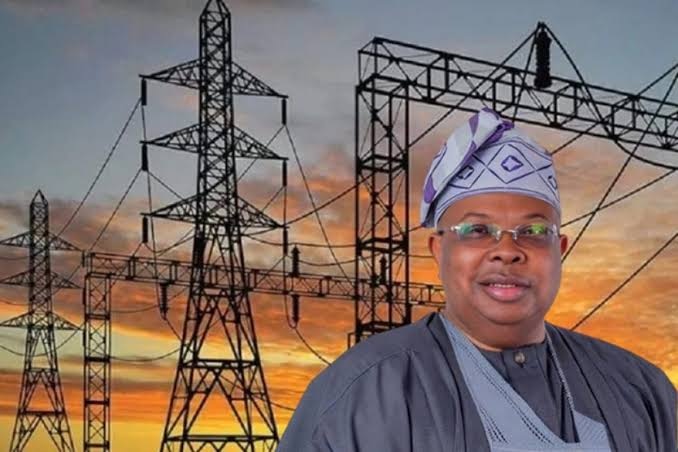
Power generation drops sharply across Nigeria, leaving major cities in darkness as the government promises swift repairs.
Nigeria is facing a severe energy crunch as national electricity generation plummeted to 2,692 megawatts, plunging businesses and households into widespread darkness.
The sharp decline heavily impacted major commercial centers like Lagos and Abuja, forcing consumers to rely heavily on expensive petrol and diesel generators.
The power crisis intensified following maintenance operations and gas supply constraints, according to information published by NIGERIA.
Impact on Households and Small Businesses
For ordinary households, the worsening supply situation means enduring long periods without power, forcing families to spend more on fuel to preserve food.
Small enterprises, including barbershops, restaurants, and cold-room operators, are bearing the brunt of this energy crisis through rising operational costs.
Many businesses now face the difficult choice of passing additional energy expenses to customers or drastically cutting down operating hours.
Zero Output at Major Generating Plants
Data from the Nigerian Independent System Operator revealed that multiple thermal plants were producing absolutely no electricity.
Generating facilities listing zero output included Afam VI, Alaoji, Gbarain, Geregu NIPP, Ibom Power, and Ihovbor NIPP.
Additional plants with zero generation included Kashimbila, Olorunsogo, Omoku, Rivers IPP, Sapele, and Trans-Afam Power.
Minister Joseph Tegbe Promises Resolution
Minister of Power Joseph Tegbe acknowledged the severe strain that current outages have placed on citizens in Lagos and the Federal Capital Territory.
Tegbe assured the public that the electricity supply crisis would be successfully resolved within the next 48 to 72 hours.
He explained that planned maintenance at Egbin Power Station and persistent gas constraints severely reduced available grid electricity.
Frequently Asked Questions
Why did Nigeria electricity generation drop to 2,692MW?
Generation dropped due to planned maintenance at Egbin Power Station, gas supply constraints to thermal plants, and sabotage of key transmission lines.
When will the power supply crisis in Nigeria be resolved?
Minister of Power Joseph Tegbe assured that affected generating units will return in phases, with stability expected within 48 to 72 hours.
Which cities are most affected by the current power outages?
Major commercial centers, particularly Lagos and the Federal Capital Territory of Abuja, are experiencing prolonged power outages and load shedding.
